TL;DR
Tencel fabric is known for its softness, sustainability, and smooth finish. But it’s also sensitive to processing and handling. Buyers who don’t pay attention to fabric construction, dyeing, and finishing often face issues in bulk. Sampling and supplier control matter more than expected.
Tencel Fabric Looks Premium… But It’s Not Always Easy
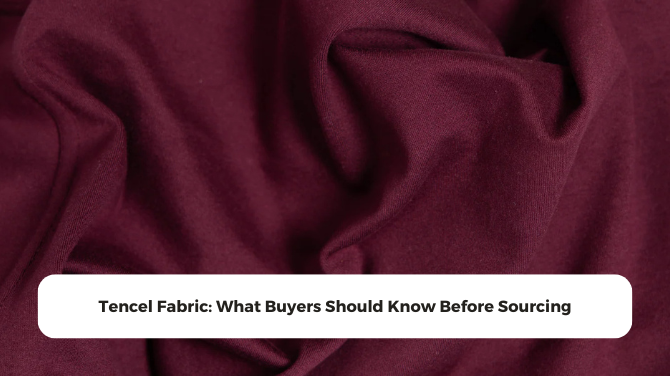
Most people’s first reaction to Tencel fabric is the same. It feels soft. Almost too soft.
Smooth surface, slight sheen, drapes really well. It gives that “premium” feel right away.
And that’s exactly why a lot of brands move toward it. But once you start sourcing it in bulk, you realize something. Tencel is not difficult… but it’s sensitive.
I remember a buyer saying their first batch looked perfect. Fabric felt great, color was clean. But during garment production, they started noticing slight variation in how the fabric behaved after washing. Not a big issue. Just enough to make things inconsistent.
That’s usually how it starts.What Is Tencel Fabric, Really?
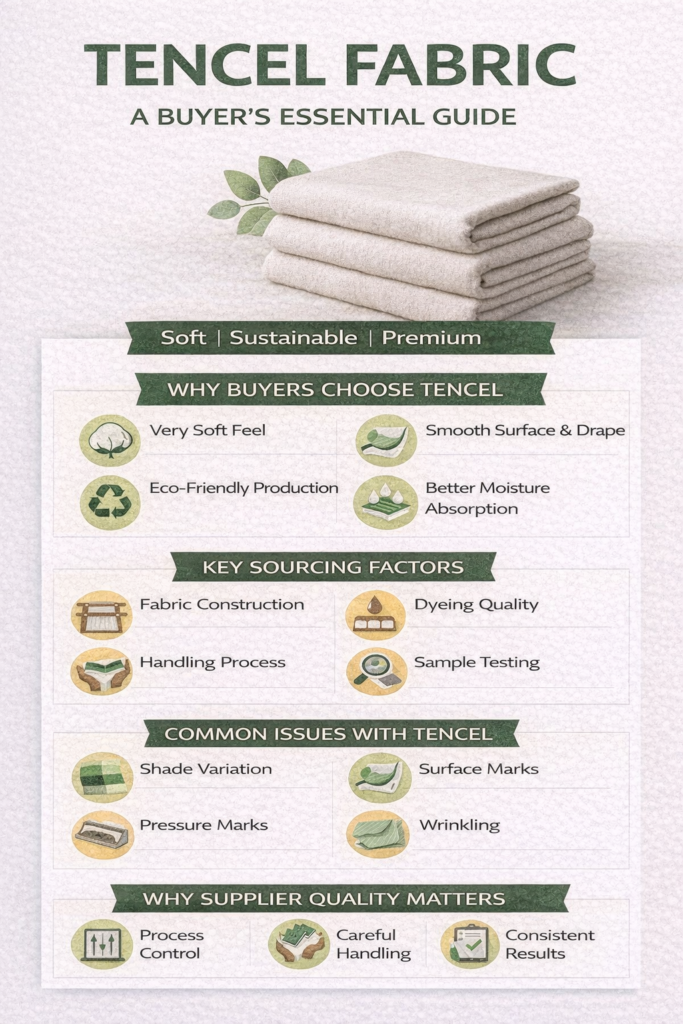
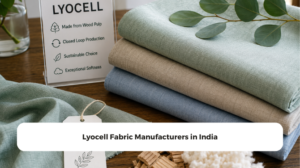
Tencel is a branded fiber made from wood pulp, usually from eucalyptus trees. Technically, it falls under lyocell. But from a buyer’s perspective, what matters is how it behaves as a fabric.
It’s known for:
- very soft hand feel
- smooth surface
- good moisture absorption
- eco-friendly production process
That last point is a big reason why brands are moving toward it. But like most fabrics, the fiber itself is only part of the story.
Why Tencel Is Becoming More Popular
There’s been a shift in what buyers look for. Comfort is still important, but now sustainability is part of the decision. Tencel sits somewhere in that space.
It offers:
- a more natural feel compared to synthetics
- better drape than many cotton fabrics
- a cleaner, smoother finish
You’ll often see it used in:
- shirts
- dresses
- relaxed fits
- premium casualwear
In some ways, it’s similar to how brands adopt textured fabrics like cotton slub fabric for feel and appearance, except Tencel focuses more on softness and flow.
Fabric Construction Still Matters (A Lot)
This is where things get overlooked. Buyers sometimes assume that because Tencel feels good, all Tencel fabrics will behave the same. That’s not how it works. Two Tencel fabrics can feel similar initially, but behave differently depending on:
- weave or knit structure
- GSM
- finishing
A lighter fabric might drape better, but could be more prone to wrinkling or movement issues during stitching. If you’ve worked with structured weaves before, like the ones explained in dobby fabrics, you’ll know how construction can completely change fabric performance.
Same idea applies here, even though the feel is softer.
The Challenge With Dyeing Tencel Fabric
Tencel takes dye well. That’s the good part. But it’s also sensitive during the process.
If not handled properly, you might see:
- shade variation
- surface marks
- slight streaking
This usually comes down to process control. Tencel fibers absorb moisture differently, so dyeing needs to be carefully managed. This is quite similar to what happens when working with mixed fibers, where dye behavior changes depending on composition. We’ve explained that in criteria for selecting dyes by fibre content, and the principle applies here as well.
Handling and Processing Makes a Difference
This is one area where Tencel stands out. It needs slightly more care during processing.
For example:
- fabric can crease easily during handling
- pressure marks can show if not managed properly
- finishing needs to be controlled
These are not major problems, but they require attention. I’ve seen cases where fabric was fine at the source, but handling during production caused minor issues that showed up later.
That’s why process matters as much as the fabric itself.
Sampling Becomes More Important With Tencel
With Tencel, sampling is not something you rush. Because small differences show up more clearly. Buyers should check:
- drape and fall
- surface finish
- behavior after washing
- color consistency
Sometimes, everything looks perfect until the first wash test. And that’s where adjustments happen. We’ve seen similar situations when working with other fabrics, especially in early-stage checks like those discussed in woven sample, where catching issues early avoids bigger problems later.
Tencel in Export Orders
When Tencel fabric is used for export, expectations are higher. Because it’s usually positioned as a premium fabric. Buyers expect:
- consistent softness
- uniform appearance
- clean finishing
Even small inconsistencies can affect how the final garment is perceived. And this is where coordination becomes important. We’ve seen similar challenges in sourcing scenarios like those explained in why buyers struggle with Indian woven fabric exporters, where process gaps create unexpected issues.
Production Planning Still Plays a Role
Tencel may feel soft and easy, but production still follows a structured process:
- yarn preparation
- weaving or knitting
- dyeing
- finishing
If one stage is slightly off, it affects the next. In one case I remember, finishing took longer because extra care was needed to maintain the fabric surface. That small delay affected the delivery timeline. It’s not always obvious at first. But it shows up later.
Why the Supplier Matters More With Tencel
At some point, buyers start realizing this. The fabric is important, but the supplier determines how well it’s handled. With Tencel, this becomes even more important because of its sensitivity. A good supplier ensures:
- controlled dyeing processes
- careful handling during finishing
- consistent quality across batches
- clear communication
For example, even when working with lighter seasonal fabrics like seersucker fabric, consistency depends heavily on process control. With Tencel, that need is even stronger.
At Dinesh Exports, the focus is on managing these stages carefully so the final fabric matches what was approved.
Final Thoughts
Tencel fabric offers a lot. Softness, sustainability, and a premium feel. But it’s not a “set and forget” fabric. It needs attention at every stage. Construction, dyeing, handling, and sampling all play a role in how it turns out. Once you understand that, sourcing becomes easier.
And more predictable.
Frequently Asked Questions
What is Tencel fabric made from?
It is made from wood pulp, usually eucalyptus, processed into lyocell fiber.
Is Tencel better than cotton?
It depends on the use. Tencel is softer and smoother, while cotton is more structured and widely used.
Does Tencel fabric shrink?
It has low shrinkage, but proper processing and testing are still important.
Is Tencel fabric sustainable?
Yes, it is considered more eco-friendly due to its closed-loop production process.
Why is Tencel used in premium clothing?
Because of its softness, drape, and clean finish.